
Blog
Design systems, product and AI
Practical ideas to build consistent products faster.

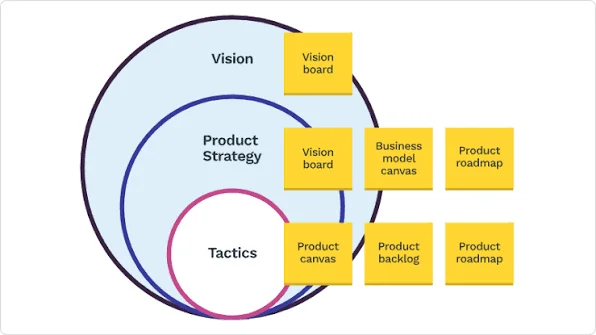
Product strategy in the age of AI: start with the problem, not the model
AI makes it tempting to start from the technology. The products that last still start from a precise problem, a clear bet and a way to measure it. A practical framework for product leaders.

MCP for design systems: letting AI assistants use your real tokens
AI assistants write a growing share of interface code, often with invented colors and spacing. The Model Context Protocol lets them read and use your actual design system instead. Here is why it matters and how it works.
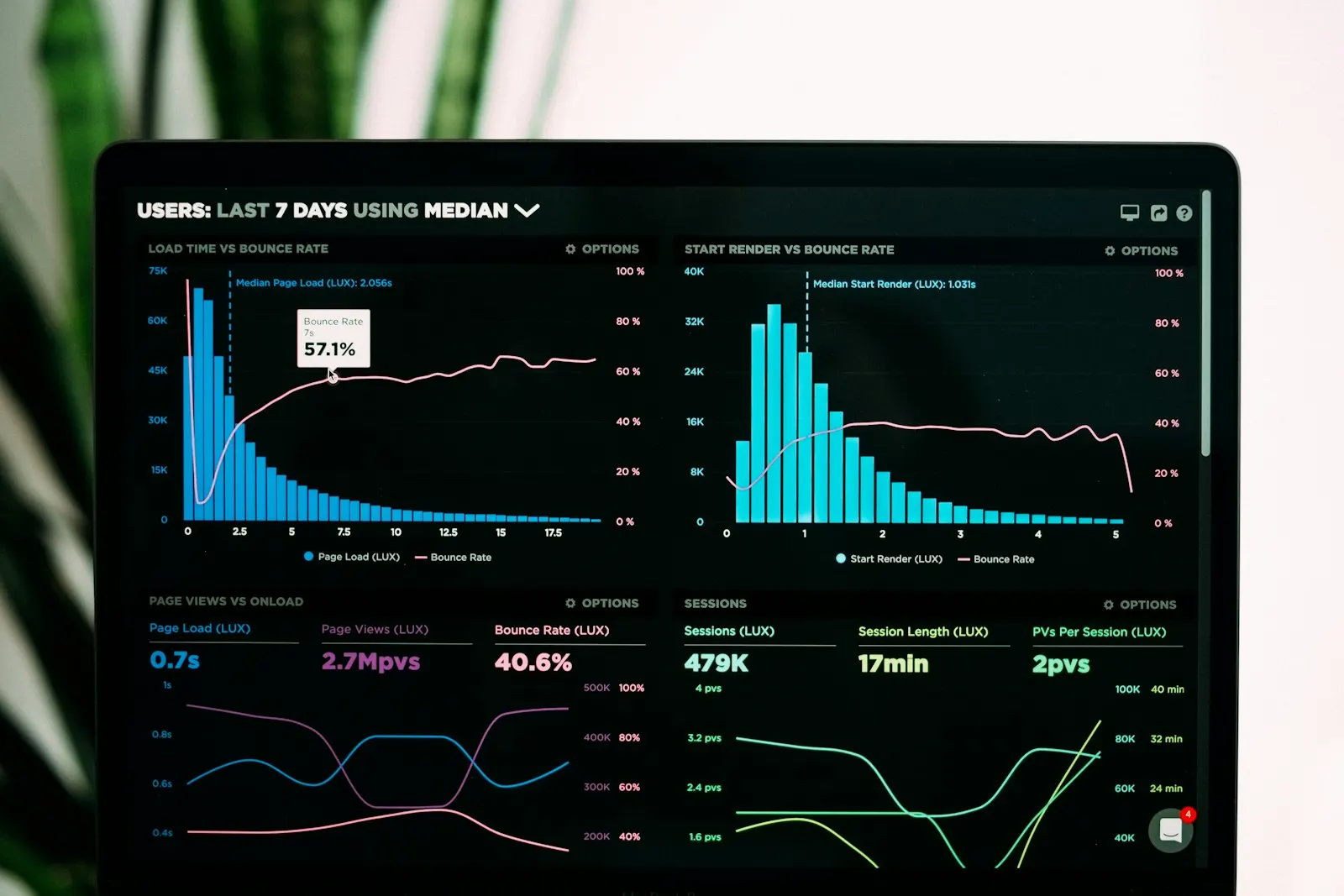
Measuring AI features: the metrics that tell you it actually helps
Usage of an AI feature is easy to measure and easy to misread. How to define the metrics that show whether an AI feature saves real work, earns trust and is worth its cost.
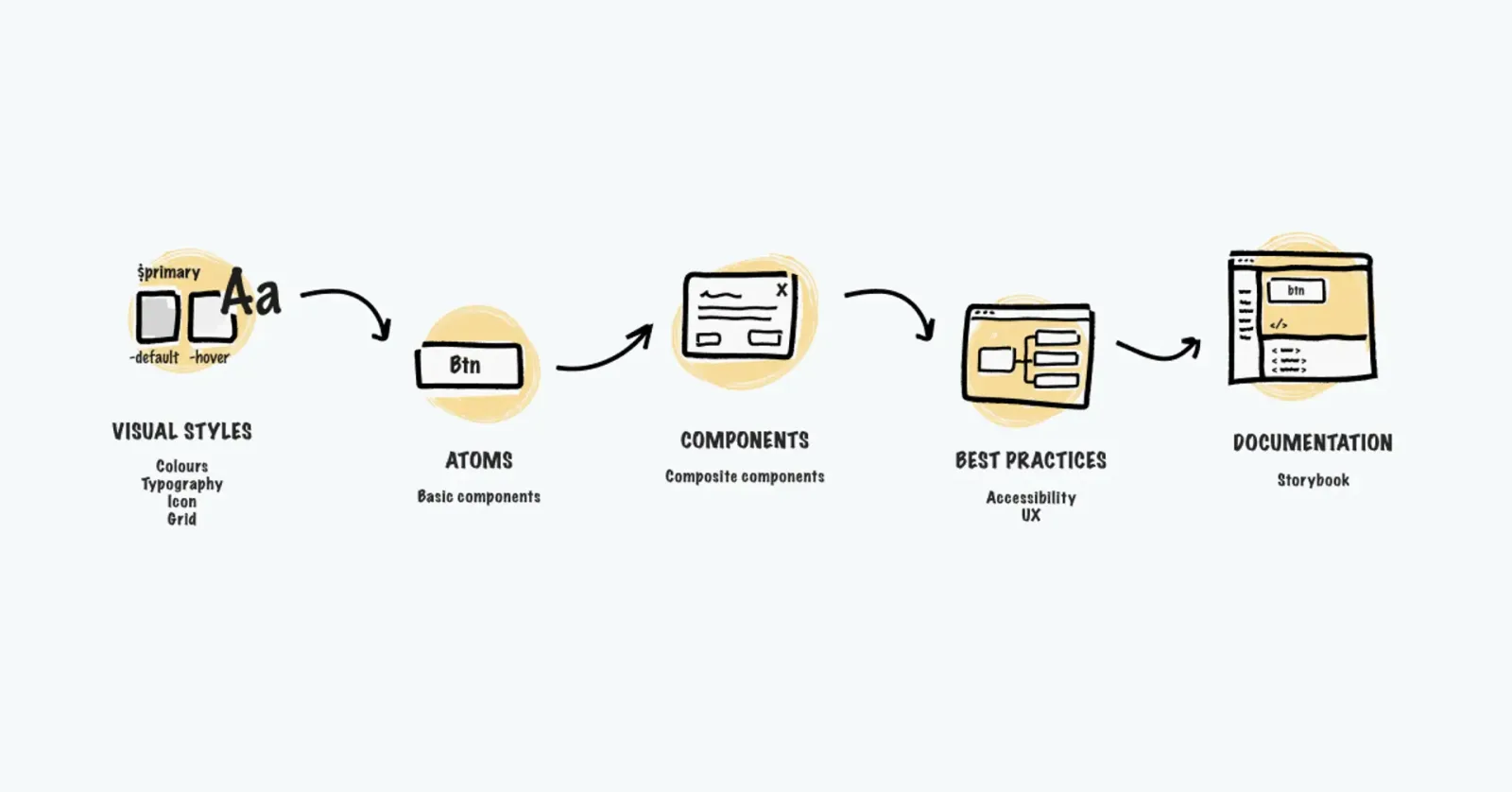
Why your design system drifts, and how to keep it in sync with code
Colors copied by hand, spacing guessed in code, components that slowly diverge. Here is why design systems drift and the habits that keep design and code aligned.
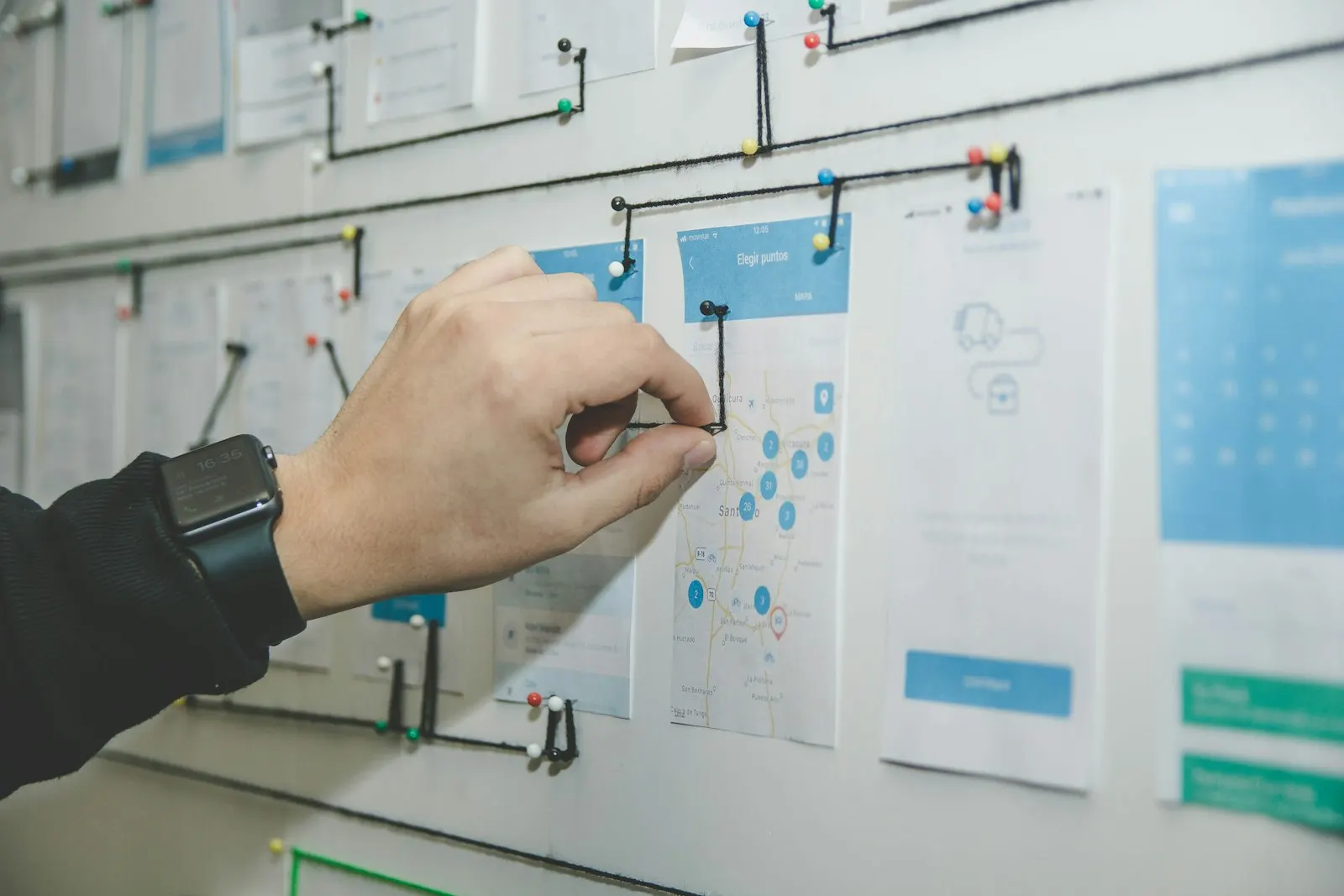
How to write a product bet: a one-page template for product teams
Roadmaps list features. Product bets explain why a feature deserves to exist, what we expect to change and how we will know. A one-page template I use with teams to make better decisions, faster.

Design tokens explained: the single source of truth between design and code
Design tokens turn visual decisions into named, reusable values that designers and developers share. What they are, how to name them, and how to keep them from becoming another file nobody updates.