
Product strategy in the age of AI: start with the problem, not the model
AI makes it tempting to start from the technology. The products that last still start from a precise problem, a clear bet and a way to measure it. A practical framework for product leaders.

2 min read
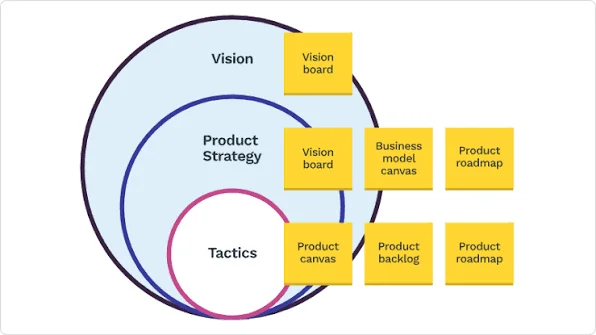
Every week brings a new model, a new capability and a new demo. For product leaders, the pressure is real: "What is our AI strategy?" is now a standard question in every steering committee.
After years of building digital products for companies and institutions, I have learned to answer with another question: which problem are we trying to solve, and for whom?
The trap: a solution looking for a problem#
AI projects often start backwards. A team discovers what a model can do, then searches for a place to use it. The result is familiar: an impressive prototype, a launch, and low adoption, because nobody had that problem in the first place.
The model is an ingredient. The product is still the outcome a user gets.
Step 1: find work worth removing#
The best AI opportunities hide in repetitive, costly work that people already do today:
- documents read and summarized by hand,
- requests sorted and routed manually,
- answers searched across scattered sources,
- checks repeated on every file.
Measure that work first: how often, how long, how many people, how many errors. If you cannot measure the pain, you will not be able to prove the gain.
Step 2: turn it into a clear bet#
A strategy is a bet you can lose. Write it in one sentence:
We believe that automating the first review of incoming files will cut processing time by half for operations teams, and we will know it when median time per file drops below the target.
This sentence forces the essentials: a problem, a user, an expected outcome and a metric. If the team cannot agree on it, it is too early to build.
Step 3: design for trust, not only for accuracy#
AI output is probabilistic. Users adopt it when they understand what it does and stay in control:
- show the sources behind an answer,
- let people correct the result easily,
- keep a human decision where the stakes are high,
- log what the system did, for audit and improvement.
Trust is a product feature. It deserves the same design effort as the interface.
Step 4: ship small, measure, then scale#
Start with one workflow, one team and one metric. Ship in weeks, not quarters. Compare against the baseline you measured in step 1. Then decide: scale, adjust or stop. Stopping a bet that does not pay off is a success of the method, not a failure of the team.
The role of the product builder#
Strategy, design and delivery used to live in separate departments. AI makes the loop shorter: the people who frame the problem can now prototype the answer in days. That is what I call being a product builder: holding the vision and the details, from the first workshop to the production release.
The models will keep changing. A precise problem, a clear bet and an honest metric will not.
- #product-strategy
- #ai
- #product-management
Keep reading
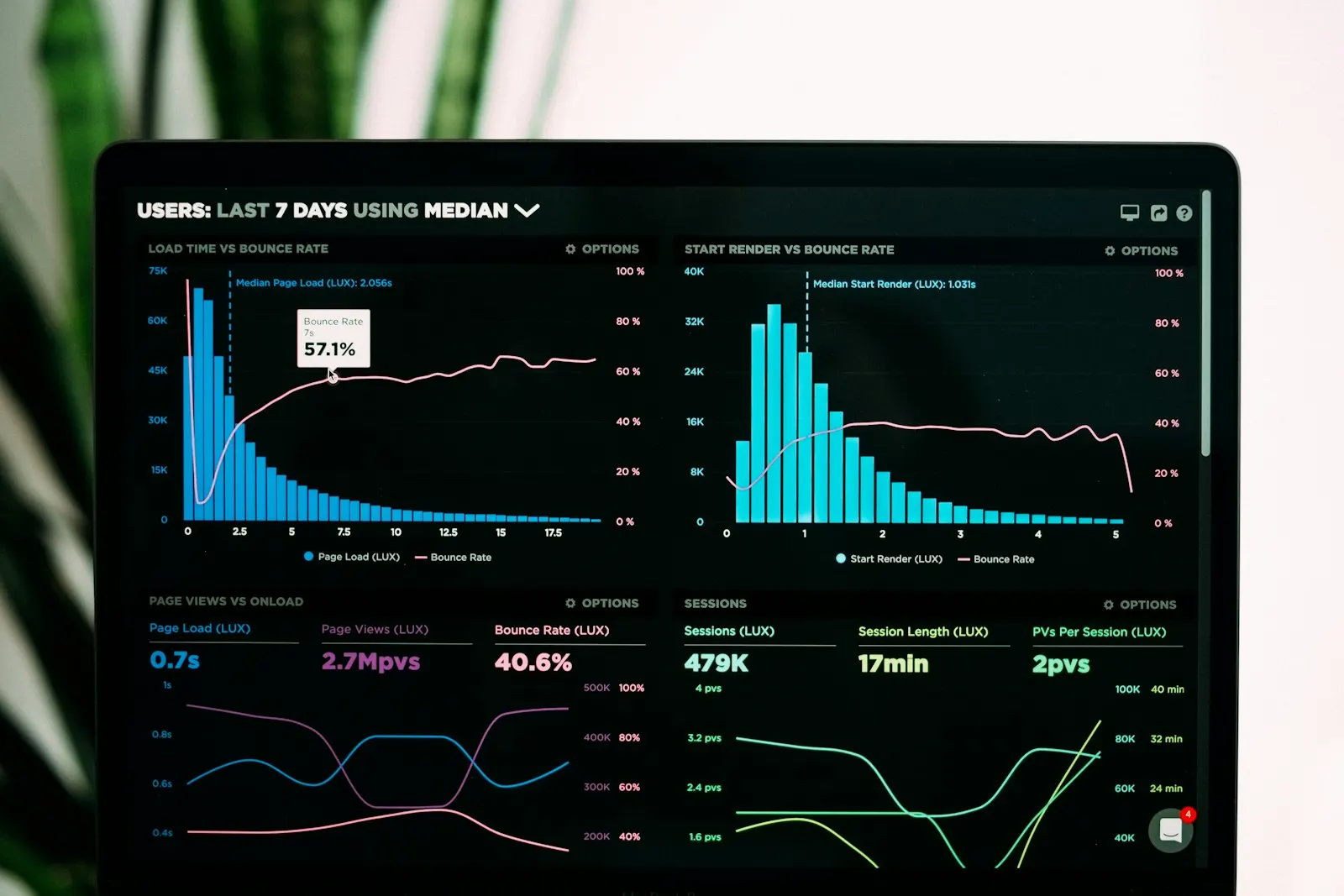
Measuring AI features: the metrics that tell you it actually helps
Usage of an AI feature is easy to measure and easy to misread. How to define the metrics that show whether an AI feature saves real work, earns trust and is worth its cost.
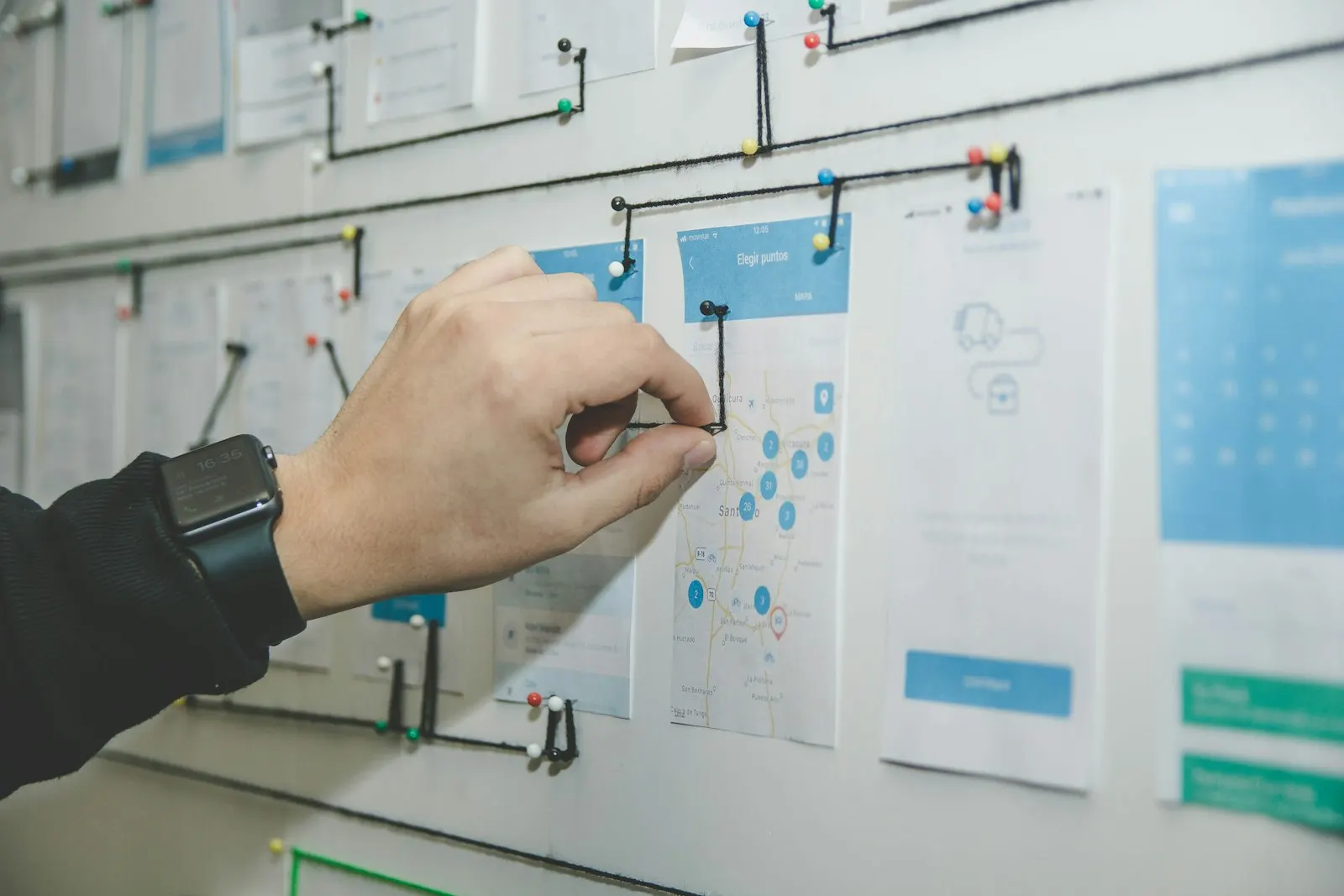
How to write a product bet: a one-page template for product teams
Roadmaps list features. Product bets explain why a feature deserves to exist, what we expect to change and how we will know. A one-page template I use with teams to make better decisions, faster.

Building digital products for institutions: lessons from the field
Institutions do not buy products the way startups build them. Long procurement, many stakeholders, fragile connectivity and processes written on paper. What years of building digital services for organisations have taught me.
Turn your design decisions into production tokens
Build, govern and ship your design system with Yubild.
Start for free