
How to write a product bet: a one-page template for product teams
Roadmaps list features. Product bets explain why a feature deserves to exist, what we expect to change and how we will know. A one-page template I use with teams to make better decisions, faster.

3 min read
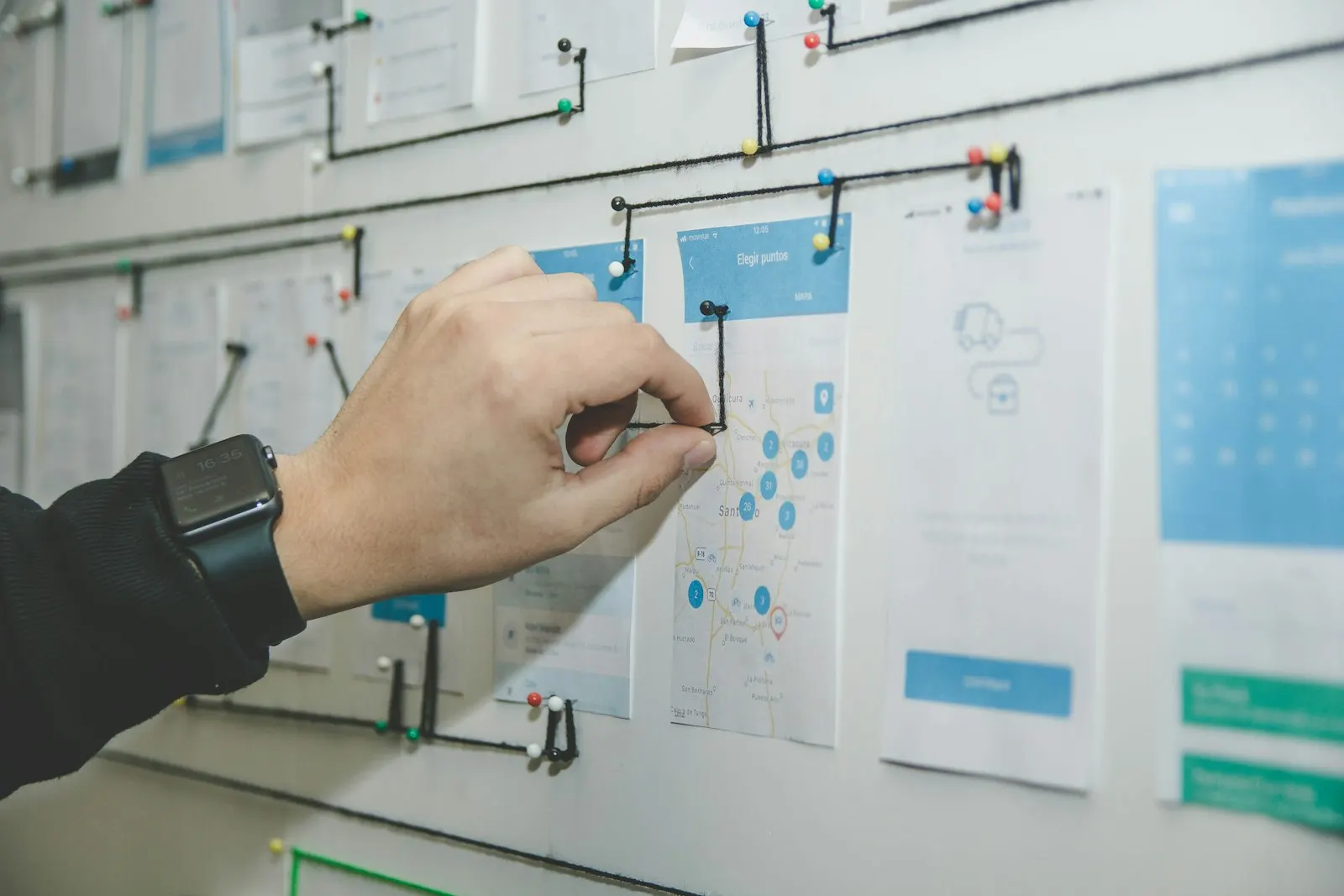
Most roadmaps are lists of features with dates. They tell a team what to build, rarely why, and almost never how to know if it worked.
Over the years I have replaced feature requests with something simpler and more honest: the product bet. One page, written before any design or code, that turns an idea into a decision you can defend and later evaluate.
Why call it a bet#
Because that is what it is. Every feature costs time, attention and complexity, and none comes with a guarantee. Calling it a bet changes the conversation:
- It admits uncertainty instead of hiding it behind a delivery date.
- It forces a stake: how much are we willing to invest before we expect a signal?
- It creates a moment of truth: at some point, we look at the result and decide to double down, adjust or stop.
The one-page template#
Here is the structure I use. Each section fits in a few lines. If it does not, the idea is not ready.
1. The problem#
Who has the problem, in which situation, and what does it cost them today? Write it from the user's side, without mentioning the solution.
"Freelance designers lose half a day per project rebuilding the same tokens in code for each client."
2. The evidence#
What makes us believe the problem is real and important? Interviews, support tickets, usage data, lost deals. Separate what we know from what we suppose. Both are allowed, but they must be labelled.
3. The hypothesis#
The bet itself, in one sentence:
"If we offer X to Y, we expect Z to change, because of W."
The "because" matters. It is the part you will learn from when the result surprises you.
4. The success signal#
One primary metric, with a target and a time frame. Not five. A primary metric keeps the team focused; secondary metrics can watch for side effects.
5. The appetite#
How much are we willing to spend? Two weeks, six weeks, one quarter. The appetite shapes the solution, not the other way around. A six week appetite produces a different design than an open ended project.
6. The kill criteria#
What result, by which date, would make us stop or rethink? Teams almost never write this part, and it is the one that saves the most time.

How to use it in practice#
The template is only useful if it changes how decisions are made. A few habits help:
- Write the bet before the solution. If the first draft already describes screens, start again from the problem.
- Review bets as a team. Fifteen minutes with design, engineering and business is enough to expose weak evidence or a vague metric.
- Keep a bet log. A simple list of bets with their outcome becomes, after a few months, the most valuable strategic document you have.
- Close every bet. Won, lost or inconclusive, write two lines on what you learned. Unclosed bets are how roadmaps fill up with zombie features.
What changes for the team#
Teams that work with bets tend to ship fewer things, and better ones. Discussions move from opinions ("I think users want this") to evidence and expectations ("we expect this metric to move, here is why"). Engineers understand the intent and make smarter trade offs. Stakeholders see a clear line between investment and outcome.
Most importantly, saying no becomes easier. Not because someone has more authority, but because a weak bet is visible on the page.
Start with your next idea#
You do not need a new process or a new tool. Take the next item on your roadmap and try to fill the six sections. If you cannot write the problem without naming the solution, or if you cannot agree on a success signal, you have just learned something important, before writing a single line of code.
- #product-strategy
- #product-management
- #discovery
Keep reading
Product strategy in the age of AI: start with the problem, not the model
AI makes it tempting to start from the technology. The products that last still start from a precise problem, a clear bet and a way to measure it. A practical framework for product leaders.

Building digital products for institutions: lessons from the field
Institutions do not buy products the way startups build them. Long procurement, many stakeholders, fragile connectivity and processes written on paper. What years of building digital services for organisations have taught me.
Measuring AI features: the metrics that tell you it actually helps
Usage of an AI feature is easy to measure and easy to misread. How to define the metrics that show whether an AI feature saves real work, earns trust and is worth its cost.
Turn your design decisions into production tokens
Build, govern and ship your design system with Yubild.
Start for free